


Health equity is no longer a niche public-health term—it’s becoming the organizing principle for how we think about access to care, outcomes, and community well‑being. Across the country and around the world, new models, technologies, and policies are reshaping how underserved communities finally get care that is fair, affordable, and tailored to their realities.
This article walks through the most important health equity breakthroughs, why they matter, and how individuals, organizations, and policymakers can help accelerate progress.
What do we mean by health equity?
Before diving into breakthroughs, it helps to be clear about what health equity actually is—and what it is not.
Health equity means that everyone has a fair and just opportunity to be as healthy as possible. That doesn’t mean identical services for everyone; it means:
- Removing obstacles to health such as poverty, discrimination, and deep‑rooted power imbalances
- Ensuring access to good jobs, quality education, safe housing, clean air and water, and timely health care
- Closing gaps in health outcomes tied to race, income, geography, disability, gender, immigration status, or other social factors
The opposite of health equity is not merely “inequality,” but avoidable, unjust health differences—for example, when life expectancy drops by 10–20 years between neighborhoods in the same city, largely driven by policy and resource distribution rather than biology (source: CDC).
Why health equity is urgent now
Underserved communities—rural towns, low‑income urban neighborhoods, Indigenous communities, migrants, and many others—have long faced:
- Higher rates of chronic disease (diabetes, heart disease, asthma)
- Less access to primary and specialty care
- More exposure to environmental hazards
- Poorer maternal and infant health outcomes
- Lower life expectancy
The COVID‑19 pandemic exposed these inequities in stark terms: Black, Indigenous, and Latino communities experienced disproportionately higher infection, hospitalization, and death rates. At the same time, the pandemic spurred innovations in care that, if implemented thoughtfully, can significantly advance health equity rather than widen gaps.
Breakthrough #1: Community health workers at the center of care
One of the most powerful health equity breakthroughs doesn’t rely on new gadgets but on trusted human relationships.
Who are community health workers?
Community health workers (CHWs) are frontline public‑health workers who are trusted members of the communities they serve. They:
- Share language and cultural background with patients
- Bridge between communities and health systems
- Provide education, navigation, and practical support
They might help a pregnant person keep prenatal appointments, a senior remember medications, or a family navigate insurance and food benefits.
Why CHWs are transformative for health equity
Evidence shows CHW programs can reduce emergency‑room visits, improve chronic-disease management, and increase vaccination rates, especially in marginalized communities. Crucially, CHWs:
- Reduce mistrust born from historical and ongoing discrimination
- Make care more culturally and linguistically appropriate
- Meet people where they are—homes, workplaces, schools, and community centers
More health systems are integrating CHWs into care teams and actually paying for these roles through insurance reimbursement. This is a major shift from viewing community work as “extra” to seeing it as core to achieving equitable outcomes.
Breakthrough #2: Telehealth that actually reaches the underserved
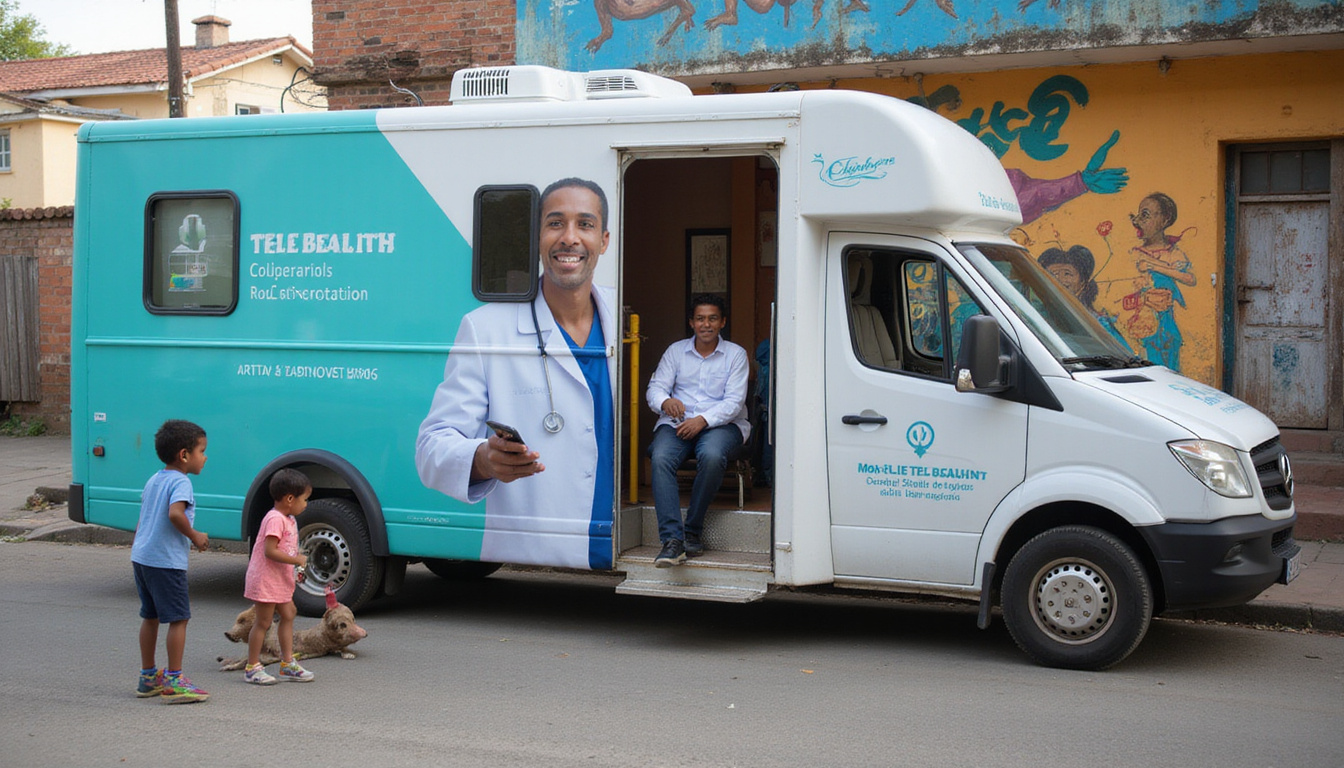
Telehealth exploded during COVID‑19. At first, it mainly served people who already had good internet access and devices. But recently, thoughtful redesign has turned telehealth into a real health equity tool.
Making virtual care accessible
To make telehealth work for underserved communities, organizations are:
- Providing low‑bandwidth options (phone calls, audio‑only visits)
- Offering multilingual platforms and interpreter support
- Setting up community telehealth hubs in libraries, schools, and community centers
- Training patients and caregivers in basic digital skills
This is especially impactful in rural and remote areas where specialists may be hours away. With telehealth, a patient can see a cardiologist or psychiatrist without leaving their community.
Telehealth and trust
For many patients who feel stigmatized in clinical settings, attending behavioral health visits from their own home can reduce anxiety and increase follow‑through. But to support health equity, telehealth must:
- Stay covered by insurance at parity with in‑person visits
- Be easy to use on low‑cost smartphones
- Be designed with community feedback, not just tech‑industry assumptions
When those conditions are met, telehealth can close gaps instead of opening new “digital divides.”
Breakthrough #3: Data tools that reveal—and correct—inequities
Data has often been used in ways that unintentionally reinforce inequities (for example, algorithms that direct more resources to already well‑resourced patients). The new generation of health equity work uses data differently: to expose gaps and guide corrective action.
Collecting the right data
Health systems and public agencies are increasingly:
- Collecting standardized race, ethnicity, language, and ZIP‑code data
- Tracking sexual orientation and gender identity where safe and appropriate
- Linking health records with social determinants of health (housing, food access, transportation, employment)
By looking at care quality and outcomes across these dimensions, organizations can see:
- Who is waiting longer for appointments
- Who is less likely to receive guideline‑recommended treatments
- Which neighborhoods see higher readmission or complication rates
Turning insight into action
The real breakthrough is not data collection itself, but closing the loop:
- Clinics adjust hours when they see missed appointments cluster among shift workers
- Health systems redesign outreach when they see lower screening rates in particular neighborhoods
- Insurers support rideshare or shuttle programs when transportation barriers drive missed visits
When performance metrics and leadership incentives explicitly include health equity targets, correcting inequities becomes part of the core business, not just a side project.
Breakthrough #4: Payment models that reward equity, not volume
Traditional fee‑for‑service medicine pays for volume—more tests, more visits, more procedures. This structure doesn’t reward spending time building trust, coordinating with social services, or investing in community prevention.
Value-based care with an equity lens
Newer payment models, such as value‑based care and global budgets, can support health equity when designed carefully. These models:
- Pay providers a fixed amount per patient or per population
- Tie bonuses to quality, outcomes, and patient experience
- Allow flexibility to invest in care coordinators, social workers, CHWs, and preventive services
When equity is built into these measures—for example, rewarding improvement in outcomes specifically among historically underserved groups—health systems have a financial reason to focus on those most at risk.
Covering the social drivers of health
Some Medicaid programs and insurers now cover:
- Medically tailored meals for people with serious illness
- Transportation to medical appointments
- Housing support for high‑risk patients
- Doulas for high‑risk pregnancies
These investments recognize that you can’t achieve health equity through clinic visits alone when people lack food, safe housing, or transportation.
Breakthrough #5: Place-based initiatives transforming neighborhoods
Health equity doesn’t begin in the exam room; it starts in the places people live, work, learn, and play. Place‑based initiatives focus on specific communities, often at the neighborhood or tribal level, to align health systems, local government, nonprofits, and residents.
What place-based health equity looks like
Successful initiatives often include:
- Community leadership – Residents set priorities and lead decision‑making.
- Cross‑sector collaboration – Health systems, schools, housing authorities, employers, and faith groups work together.
- Long‑term investment – Multi‑year funding aimed at structural change, not short‑term projects.
Examples include:
- Transforming vacant lots into safe parks and walking paths
- Bringing fresh‑food markets into “food deserts”
- Co‑locating clinics with social‑service agencies and legal aid
- Supporting local hiring and living‑wage jobs
These efforts recognize that health equity requires shifting the conditions that drive illness, not just expanding access to treatment after people get sick.
Breakthrough #6: Centering lived experience and community power
One of the most important shifts in health equity is whose voice defines the problems and the solutions.
From “for” communities to “with” and “by” communities
Historically, programs have often been designed for underserved communities without meaningful input. This has led to mismatched priorities, low engagement, and wasted resources.
Leading organizations are now:
- Paying community members as advisors, researchers, and co‑designers
- Including patients and caregivers on governance boards
- Using participatory research methods, where residents help define research questions and interpret results
- Supporting community‑based organizations with flexible, multi‑year funding
This shift not only improves program design—it redistributes power, which is itself a core component of health equity.
Breakthrough #7: Anti-racism and bias reduction in care
Health equity work increasingly acknowledges that racism—structural, interpersonal, and internalized—is a fundamental driver of inequities.
Concrete steps health systems are taking
To move beyond statements of support, many institutions are:
- Implementing mandatory anti‑racism and implicit‑bias training tied to performance expectations
- Analyzing care patterns (e.g., pain treatment, C‑section rates, referrals) for racial and ethnic disparities
- Building equity dashboards visible to leaders and frontline teams
- Recruiting and retaining a more diverse workforce and leadership
- Establishing patient advocates and ombuds offices to address discrimination complaints
This work is often uncomfortable but essential if underserved communities are to finally receive care that is respectful, safe, and trustworthy.
How you can support health equity, wherever you are
Health equity breakthroughs are not just the work of policymakers and hospital executives. Individuals and small organizations play a crucial role.
You can:
- Ask your providers how they are addressing health equity in their practice
- Support community health centers, free clinics, and local nonprofits
- Vote for candidates and policies that expand access to care, housing, transportation, and food security
- Participate in community advisory boards or health‑equity coalitions
- Advocate within your workplace for equitable benefits and wellness supports
Even small actions, multiplied across communities, help sustain and scale the breakthroughs that are already working.
FAQ: health equity questions people ask
1. What is the difference between health equity and health equality?
Health equality means giving everyone the same resources or services. Health equity means tailoring resources and support so that everyone has a fair chance to achieve good health. For example, health equity might mean providing more intensive outreach and support to communities that have been historically marginalized, rather than assuming equal treatment will close deep, long‑standing gaps.
2. Why is health equity important for underserved communities?
Health equity is important because underserved communities face higher burdens of disease and shorter life expectancy, largely due to systemic barriers such as racism, poverty, and lack of access to care. A health equity approach focuses attention and investment on removing those barriers—improving access to quality care, safe housing, healthy food, and living‑wage jobs—so that health is not determined by ZIP code, race, or income.
3. How can health systems measure progress on health equity?
Health systems can measure progress by collecting detailed data on outcomes by race, ethnicity, language, disability, gender, insurance status, and geography. They track differences in preventive care, hospitalizations, complications, patient experience, and mortality between groups. Real progress on health equity shows up as shrinking gaps in these measures over time, particularly for groups that have historically had the worst outcomes.
Your next step in advancing health equity
The momentum behind health equity breakthroughs is real—but it’s not guaranteed. Every policy choice, funding decision, and local initiative can either deepen inequities or help dismantle them. If you’re a clinician, policymaker, community leader, or simply someone who cares about fairness, this is the moment to lean in.
Connect with local organizations advancing health equity in your area; ask your health system or employer how they are addressing inequities; use your vote, your voice, and your professional role to push for systems that ensure underserved communities finally get the care they deserve. The more people demand and build health equity, the faster these breakthroughs become the everyday standard—not the exception.


0 Comments