


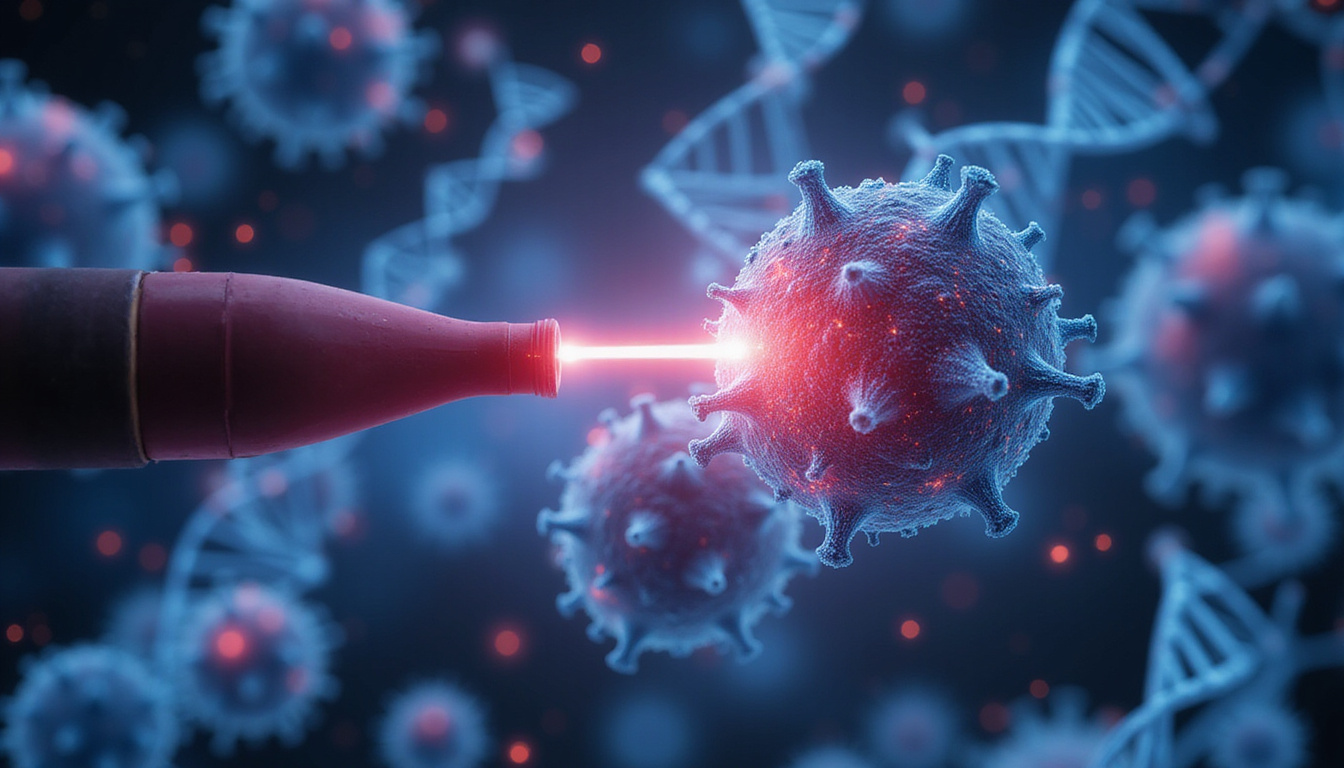
Precision medicine is transforming how we prevent, diagnose, and treat disease by tailoring care to the unique characteristics of each person. Instead of relying solely on “one-size-fits-all” therapies, precision medicine uses genetics, lifestyle, environment, and other personal data to design more effective, targeted treatments—often with fewer side effects and better outcomes.
Below, we’ll explore how this approach works, the breakthroughs already saving lives, and what it means for the future of healthcare.
What Is Precision Medicine?
Precision medicine is a medical model that customizes healthcare based on an individual’s:
- Genetic makeup (DNA)
- Lifestyle and behaviors
- Environment and exposures
- Biomarkers and lab data
- Medical history and family history
The goal is to predict which treatment or prevention strategy will work best for whom, at what time, and at what dose.
This differs from traditional medicine, where treatments are developed and prescribed based on how the “average patient” is expected to respond. In precision medicine, doctors look for molecular and clinical details that set one patient apart from another and use those details to make highly informed decisions.
How Precision Medicine Works in Practice
While the science can be complex, the clinical approach to precision medicine typically follows a few key steps:
-
Data Collection
- Genetic testing (e.g., whole exome sequencing, targeted gene panels)
- Advanced lab tests and biomarkers (blood, tissue, or liquid biopsy)
- Imaging and other diagnostic tools
- Detailed medical, family, and lifestyle histories
-
Data Analysis and Interpretation
- Identifying genetic variants relevant to disease risk or drug response
- Comparing tumor or disease-specific markers against large databases
- Using algorithms and AI tools to reveal patterns linked to outcomes
-
Tailored Treatment Planning
- Choosing targeted therapies based on specific mutations or pathways
- Adjusting dosages to maximize benefit and minimize side effects
- Designing personalized prevention and monitoring strategies
-
Continuous Monitoring and Adaptation
- Regular follow-up tests to see how well a therapy is working
- Adjusting or switching treatment as new data emerge
- Incorporating new research findings as the scientific landscape evolves
This cycle is dynamic. Precision medicine is not a one-time decision; it’s an ongoing process that adapts to how a person’s disease and life circumstances change over time.
Precision Medicine in Cancer Care: A New Standard
Oncology is where precision medicine has made some of its most visible breakthroughs.
Targeted Therapies Based on Tumor Genetics
Many cancers are now treated based on the specific mutations driving tumor growth, not just where the tumor started.
Examples include:
-
HER2-positive breast cancer
Patients whose tumors overexpress the HER2 protein can receive drugs like trastuzumab that specifically target this receptor, significantly improving survival. -
EGFR-mutated lung cancer
If testing reveals an EGFR mutation, patients may receive EGFR inhibitors that directly block that pathway, often shrinking tumors and improving symptoms. -
BRAF-mutated melanoma
Targeted therapies against BRAF and MEK have transformed outcomes for many patients with metastatic melanoma who carry those mutations.
In each case, genetic testing of the tumor helps identify who is likely to benefit—and who is not—so patients can avoid ineffective treatments.
Immunotherapy Guided by Biomarkers
Immunotherapy, which harnesses the immune system to fight cancer, is another area where precision medicine shines.
Certain biomarkers help predict who may respond:
- PD-L1 expression – Tumors with high PD-L1 levels may respond better to checkpoint inhibitors like pembrolizumab.
- Tumor mutational burden (TMB) – A higher number of mutations can make a cancer more visible to the immune system, improving the likelihood of benefit from immunotherapy.
- Microsatellite instability (MSI-high) – Cancers with this trait, such as some colorectal and endometrial cancers, often respond well to specific immunotherapies.
By testing tumors for these features, clinicians can prioritize the treatments that give patients the best odds.
Beyond Cancer: Precision Medicine Across Diseases
While cancer dominates the headlines, precision medicine is making waves across many areas of medicine.
Cardiology: Personalizing Heart Health
-
Genetic cardiomyopathies and arrhythmias
Genetic testing can uncover inherited conditions like hypertrophic cardiomyopathy or long QT syndrome, allowing for earlier intervention, tailored medications, and life-saving device placement. -
Pharmacogenomics in heart disease
Variants in genes like CYP2C19 influence how patients metabolize drugs such as clopidogrel (a blood thinner). Testing can guide whether to use that drug or choose an alternative.
Rare and Undiagnosed Diseases: Ending Diagnostic Odysseys
For families facing unexplained symptoms, precision medicine has been transformative:
- Whole exome and whole genome sequencing can identify the genetic cause of rare conditions that might otherwise remain mysterious for years.
- Once the cause is identified, clinicians can:
- Offer surveillance for complications
- Provide specific treatments if available
- Connect families with clinical trials and support networks
- Inform reproductive decision-making for parents and siblings
Pharmacogenomics: Matching Drugs to DNA
Pharmacogenomics—how genes affect drug response—is a cornerstone of precision medicine. It helps answer:
- Which medication is likely to work best?
- What dose is safest and most effective?
- Who is at higher risk of serious side effects?
Practical examples include:
- Antidepressants and psychiatric medications – Genetic variations in CYP450 enzymes can affect how quickly these drugs are metabolized, influencing both efficacy and side effects.
- Pain medications – Variations in genes like CYP2D6 can make some people “ultra-rapid” or “poor” metabolizers of opioids, affecting pain control and overdose risk.
- Blood thinners (e.g., warfarin) – Genetic markers can help fine-tune starting doses to avoid bleeding or clotting complications.
The Technology Powering Precision Medicine
Advances in several technologies have made precision medicine feasible in everyday practice.
Genomic Sequencing and Molecular Profiling
Costs for sequencing DNA have dropped dramatically, making:
- Tumor gene panels
- Whole exome sequencing
- Whole genome sequencing
accessible in many clinical contexts. These tests help identify actionable mutations or variants that can be linked to therapies or clinical trial options.
Big Data, AI, and Machine Learning
Huge datasets—combining genomic, clinical, imaging, and lifestyle information—are analyzed using advanced algorithms to:
- Discover new disease subtypes
- Predict response to specific therapies
- Identify early signs of disease before symptoms appear
- Support clinicians with decision tools at the point of care
Projects like the NIH All of Us Research Program are assembling large, diverse data resources to power this next generation of discoveries (source: NIH All of Us).
Digital Health and Remote Monitoring
Wearables, smartphone apps, and at-home diagnostic tools generate streams of real-time data, such as:
- Heart rate, rhythm, and variability
- Blood glucose levels
- Physical activity and sleep patterns
- Respiratory metrics
Combined with genomic and clinical data, these insights help clinicians customize recommendations and intervene earlier when something is off.
Benefits of Precision Medicine for Patients
When implemented well, precision medicine can provide several important advantages:
- Higher efficacy – Treatments are chosen based on the biology of the disease in a specific patient, increasing the chance they will work.
- Fewer side effects – Avoiding drugs that a patient is unlikely to metabolize well or respond to can minimize harmful reactions.
- Faster diagnosis – Especially in rare diseases, genetic tools can reduce years-long diagnostic journeys to months or weeks.
- Better prevention – Identifying genetic risks early allows for targeted surveillance and lifestyle interventions.
- More informed decisions – Patients gain clearer insight into why a treatment is chosen, what to expect, and what alternatives exist.
Ultimately, the power of precision medicine lies in shifting from reactive care—treating disease only after it appears—to proactive, individualized strategies that anticipate risk and optimize outcomes.
Challenges and Ethical Considerations
Despite its promise, precision medicine faces real-world hurdles.
Access and Equity
- Cost and insurance coverage – Not all tests or targeted therapies are covered, limiting access for some patients.
- Diverse representation in research – Many genomic studies have historically focused on people of European ancestry. Underrepresentation of other groups can limit the accuracy and applicability of findings for everyone.
- Geographic disparities – Rural and under-resourced areas may lack access to specialty centers where advanced testing is available.
Ensuring precision medicine benefits are shared equitably is an ongoing challenge that requires policy, research, and infrastructure solutions.
Privacy and Data Security
Precision medicine relies heavily on sensitive data. Key concerns include:
- How genetic and health data are stored and protected
- Who has access to these data and for what purposes
- How to prevent discrimination by employers or insurers based on genetic information
Robust regulatory frameworks, transparent policies, and secure systems are essential to maintaining trust.
Clinical Interpretation and Evidence
Not every genetic variant has a clear meaning. Many findings fall into “variants of uncertain significance,” which can be stressful for patients and difficult for clinicians to interpret. More research, better databases, and careful communication are needed to avoid overpromising or misusing genetic results.
How to Talk with Your Doctor About Precision Medicine
If you’re interested in how precision medicine might apply to your situation, you can start with a conversation that covers:
- Your personal and family history – Any patterns of cancer, heart disease, sudden death, or rare conditions.
- Current diagnosis and treatments – Ask if there are relevant biomarkers or genetic tests that could inform therapy choices.
- Medication history – Mention drugs that have worked unexpectedly well or poorly, or caused notable side effects.
- Insurance and cost considerations – Ask which tests are covered and what financial support resources are available.
You can also request a referral to:
- A genetic counselor for in-depth evaluation and guidance
- A precision oncology program if you have cancer
- A specialty center focused on rare or inherited conditions
Quick Reference: Key Elements of Precision Medicine
- Uses genetic, clinical, lifestyle, and environmental data
- Tailors prevention, diagnosis, and treatment to the individual
- Most advanced in oncology, rare diseases, and pharmacogenomics
- Powered by genomic sequencing, big data, AI, and digital health
- Faces challenges in access, equity, privacy, and interpretation
FAQ: Common Questions About Precision Medicine
1. What is precision medicine in healthcare?
Precision medicine in healthcare is an approach that customizes care based on a person’s genetic profile, environment, and lifestyle. It guides decisions about screening, prevention, diagnosis, and treatment so that interventions are more likely to be effective and less likely to cause harm.
2. How is precision medicine used in cancer treatment?
In cancer care, precision medicine techniques analyze tumor DNA and biomarkers to identify specific mutations or pathways that drive growth. Doctors then select targeted therapies or immunotherapies that act on those molecular features, instead of using a single standard regimen for all patients with that cancer type.
3. What are the benefits and risks of personalized and precision medicine?
Benefits include more effective treatments, reduced side effects, faster diagnoses, and tailored prevention. Risks and challenges involve unequal access, privacy concerns related to genetic data, uncertain interpretation of some test results, and potential psychological impact of learning about inherited risks.
Precision medicine is no longer a distant promise—it’s already reshaping how many conditions are treated and prevented. As technologies advance and access improves, the ability to deliver truly individualized care will only grow.
If you or a loved one is facing a major health decision, now is an ideal time to ask your healthcare team about precision medicine options. Whether it’s genetic testing, biomarker-guided therapies, or pharmacogenomic insights, taking a personalized approach could open the door to safer, more effective treatments and a clearer path forward.


0 Comments