

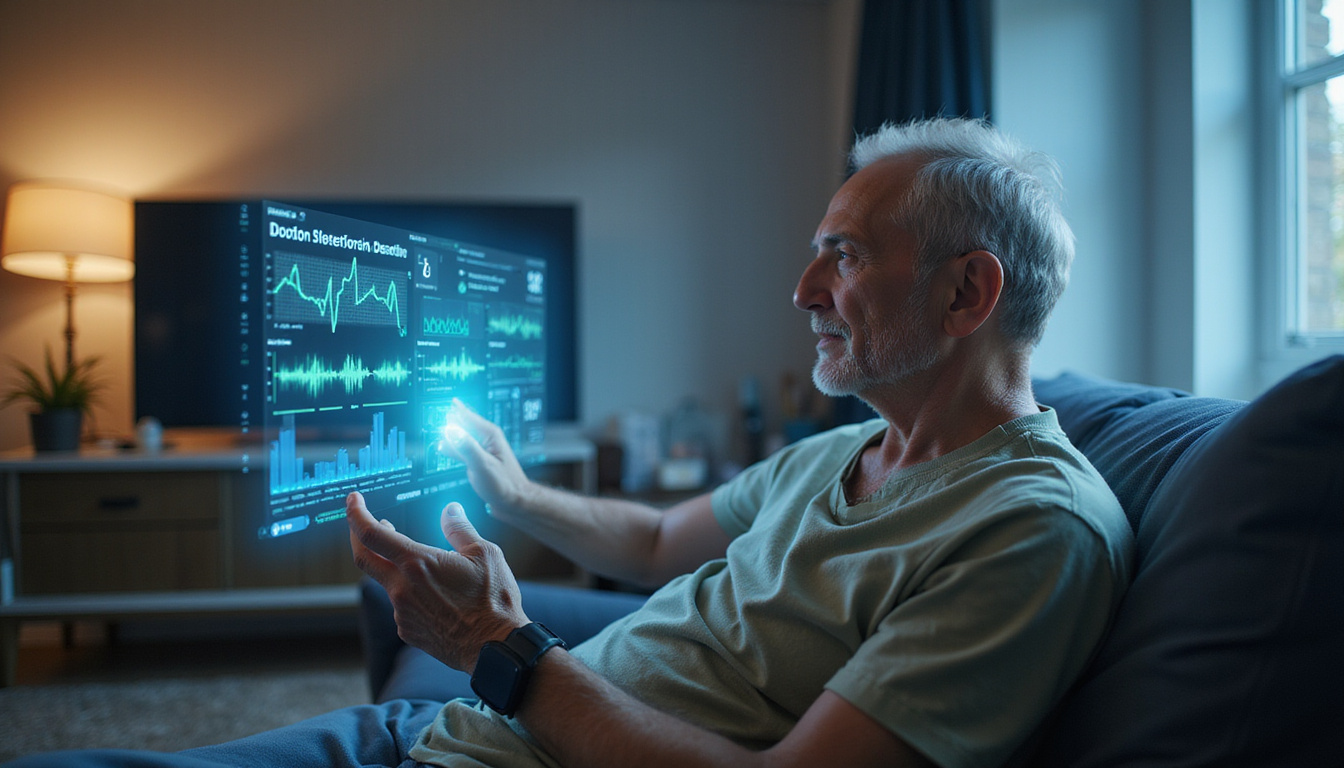
Remote patient monitoring is rapidly reshaping how we manage chronic disease, shifting care from occasional clinic visits to continuous, data-driven support at home. For patients with conditions like diabetes, heart failure, COPD, and hypertension, real-time data and connected devices are closing dangerous gaps in care—and offering providers a powerful new toolkit to prevent complications before they escalate.
This article explores how remote patient monitoring (RPM) works, why it matters, and what patients, providers, and health systems need to know to use it effectively.
What Is Remote Patient Monitoring?
Remote patient monitoring is a care model that uses connected devices to collect patients’ health data outside of traditional clinical settings and transmit it to healthcare professionals for assessment and intervention.
Typical RPM programs combine:
- Connected medical devices – such as blood pressure cuffs, glucometers, pulse oximeters, weight scales, or ECG patches.
- Software platforms – mobile apps, web portals, or embedded systems that gather and transmit data.
- Clinical workflows – nurses, care coordinators, and physicians who review data, respond to alerts, and adjust treatment.
The core idea: instead of relying on a handful of clinic readings each year, RPM enables ongoing insight into a patient’s condition, behavior, and treatment response.
Why Remote Patient Monitoring Matters for Chronic Disease
Chronic diseases account for the majority of healthcare spending and hospitalizations. Conditions like heart failure, diabetes, and COPD often deteriorate gradually, with subtle signs that go unnoticed between visits. Remote patient monitoring changes that dynamic.
Closing the “Blind Spots” Between Visits
Traditional care relies on:
- Sporadic office visits
- Patient self-reporting (often incomplete or imprecise)
- Occasional lab results
RPM fills the gaps by:
- Capturing day-to-day variability in symptoms and vital signs
- Flagging early warning signs of deterioration (e.g., rising weight in heart failure, increasing blood pressure, decreasing oxygen saturation)
- Providing objective data that supplements patient memory and perception
By detecting issues early, clinicians can intervene with medication adjustments, education, or lifestyle guidance—often avoiding emergency department visits or hospital admissions.
Improving Outcomes—and Costs
Evidence shows that well-designed remote patient monitoring programs can:
- Reduce hospital readmissions, especially for heart failure and COPD
- Improve blood pressure and blood glucose control
- Increase adherence to treatment plans
- Boost patient satisfaction and engagement
For example, studies have found that RPM for heart failure can reduce readmissions and mortality, and improve quality of life when integrated into comprehensive care management (source: National Institutes of Health). These clinical gains translate into lower costs for health systems and payers.
How Remote Patient Monitoring Works in Practice
A successful remote patient monitoring program aligns technology, workflows, and user experience. Here’s how it typically works step by step.
1. Patient Identification and Enrollment
Providers identify patients who may benefit, such as:
- Uncontrolled hypertension or diabetes
- Recent hospital discharge for heart failure or COPD
- High-risk elderly patients with multiple chronic conditions
During enrollment, clinicians:
- Explain program goals and expectations
- Provide devices and training
- Ensure consent and discuss data privacy
- Set personalized thresholds and alert rules
2. Device Setup and Data Collection
Patients use one or more devices at home, often designed to be simple and intuitive:
- Blood pressure monitor – used daily or several times per week
- Weight scale – especially for heart failure patients to detect fluid retention
- Glucometer or continuous glucose monitor – for diabetes management
- Pulse oximeter – for COPD, COVID-19, or other respiratory issues
- Wearables – tracking heart rate, rhythm, activity, and sleep
These devices transmit data to a central platform via Bluetooth, cellular networks, or Wi-Fi. Some are “zero-touch,” automatically sending data without requiring a smartphone or technical knowledge.
3. Data Integration and Monitoring
On the provider side, the platform consolidates incoming data into dashboards, trends, and alerts:
- Trend graphs show how metrics change over days and weeks.
- Threshold alerts trigger when readings cross predefined limits.
- Risk scores can combine multiple metrics and behaviors to prioritize outreach.
Nurses, care managers, or specialized RPM teams review these dashboards daily, triage alerts, and contact patients as needed.
4. Clinical Intervention and Follow-Up
When remote patient monitoring flags a concern, clinicians might:
- Call the patient to verify symptoms and context
- Adjust medications remotely (e.g., diuretics for heart failure, insulin for diabetes)
- Offer targeted coaching on diet, activity, or device use
- Schedule an urgent in-person or virtual visit
- Escalate to emergency care if warranted
Because interventions happen earlier, they’re often less intensive, less costly, and more effective.
Key Benefits of Remote Patient Monitoring
Remote patient monitoring creates value for multiple stakeholders: patients, providers, and healthcare organizations.

For Patients
- Better control of chronic conditions – Continuous feedback encourages adherence and enables faster fine-tuning of treatment.
- Peace of mind – Knowing someone is watching over their health between visits can reduce anxiety.
- Convenience and access – Fewer trips to the clinic, especially important for older adults, rural patients, or those with mobility challenges.
- More personalized care – Data reflects real-life habits and environments, not just in-clinic snapshots.
For Providers
- Richer clinical insights – Longitudinal data reveals patterns (e.g., medication side effects, lifestyle triggers).
- Proactive care – Ability to intervene before crises develop.
- Enhanced patient relationships – More frequent, focused touchpoints foster trust and engagement.
- Support for value-based care – RPM aligns with quality metrics and population health goals.
For Health Systems and Payers
- Reduced hospitalizations and readmissions
- Lower emergency department utilization
- Improved quality metrics and patient satisfaction scores
- Stronger infrastructure for virtual and hybrid care models
Common Remote Patient Monitoring Use Cases
While RPM can support many conditions, several chronic diseases are especially well-suited.
Hypertension
- Daily or weekly blood pressure readings at home
- Avoids “white coat” effects and provides more accurate average BP
- Enables rapid adjustments to medication and lifestyle plans
- Can significantly increase rates of blood pressure control in populations
Diabetes
- Glucose readings uploaded automatically to care teams
- Detection of patterns related to diet, activity, or medication timing
- Faster optimization of insulin regimens or oral medications
- Integration with education and coaching to support self-management
Heart Failure
- Daily weight, blood pressure, and sometimes heart rate/ECG
- Early detection of fluid overload, a common cause of admission
- Medication titration (e.g., diuretics) before severe symptoms arise
- Often combined with telehealth visits and education on diet, salt, and fluid
COPD and Respiratory Conditions
- Pulse oximetry, respiratory rate, symptom questionnaires
- Early spotting of exacerbations triggered by infections or environmental factors
- Guidance on inhaler use, medications, and when to seek urgent care
Challenges and Considerations in Remote Patient Monitoring
While remote patient monitoring offers substantial promise, it’s not a plug-and-play solution. Thoughtful design and implementation are essential.
Patient Engagement and Usability
RPM only works if patients consistently use devices and stay engaged. Barriers include:
- Limited digital literacy or comfort with technology
- Visual, cognitive, or dexterity impairments
- Device complexity or poor design
- Alarm fatigue if alerts are frequent or confusing
Solutions:
- Choose simple, user-friendly devices
- Provide clear training and ongoing support
- Tailor instructions to literacy level and language
- Use motivational coaching, not just monitoring
Workflow Integration for Clinicians
Clinicians can be overwhelmed by data and alerts if RPM isn’t integrated well.
Key considerations:
- Clear roles: Who monitors data? Who responds?
- Sensible alert thresholds to avoid overload
- Integration with electronic health records (EHRs)
- Defined protocols for interventions and documentation
Without these, RPM can add burden instead of value.
Data Security and Privacy
Remote patient monitoring involves sensitive, continuous health data. Programs must ensure:
- HIPAA-compliant platforms and secure transmission
- Strong authentication and access controls
- Transparent privacy policies and patient consent
- Governance around data use and sharing
Reimbursement and Sustainability
In many regions, reimbursement models are evolving to support RPM, but details matter:
- Understanding billing codes and requirements
- Documenting time spent monitoring and intervening
- Aligning RPM programs with value-based contracts and population health strategies
Ensuring financial sustainability helps programs move beyond pilot phases.
Best Practices for Implementing Remote Patient Monitoring
For organizations planning or expanding remote patient monitoring, several practices increase the likelihood of success:
-
Start with clearly defined populations
Focus on conditions and cohorts where RPM has strong evidence and clear goals (e.g., reducing heart failure readmissions). -
Co-design with patients and clinicians
Involve end users early to select devices, design workflows, and test usability. -
Standardize protocols—but personalize thresholds
Use consistent processes, but allow customization for individual risk profiles and preferences. -
Invest in training and support
Provide ongoing education for both staff and patients; don’t assume a one-time orientation is enough. -
Measure outcomes and iterate
Track clinical, operational, financial, and satisfaction metrics. Use data to refine enrollment criteria, workflows, and technology choices.
The Future of Remote Patient Monitoring
Remote patient monitoring is moving from standalone programs to a core component of modern care models.
Emerging trends include:
- AI-driven analytics – Predictive models that identify risk trajectories, recommend interventions, and reduce false alerts.
- Integrated virtual care – Seamless combination of RPM, telehealth visits, and in-person care in “hybrid” models.
- Consumer wearables and passive monitoring – Leveraging smartphones, smartwatches, and ambient sensors to reduce patient burden.
- Home-based acute care (“hospital at home”) – Using RPM to safely manage conditions at home that once required inpatient stays.
As technology advances and evidence accumulates, remote patient monitoring will likely become the default for managing high-risk chronic diseases, rather than the exception.
FAQ: Remote Patient Monitoring and Real-Time Care
1. What conditions benefit most from remote patient monitoring programs?
Remote patient monitoring programs are especially effective for chronic conditions like hypertension, diabetes, heart failure, and COPD. These diseases require ongoing tracking of metrics such as blood pressure, weight, glucose, or oxygen saturation, making them ideal for continuous, remote oversight and early intervention.
2. How does remote health monitoring affect patient experience?
Remote health monitoring often improves patient experience by reducing travel, enabling rapid responses to concerns, and providing reassurance that someone is watching their health data. When well-designed, it offers more personalized, convenient care—but success depends on user-friendly devices, clear communication, and reliable support.
3. Are remote monitoring systems secure and private?
Modern remote monitoring systems are typically built to meet strict security and privacy standards, including encryption and HIPAA compliance where applicable. Patients should verify that their provider’s platform uses secure data transmission, has clear privacy policies, and restricts access to authorized care team members only.
Remote patient monitoring is no longer a futuristic concept—it’s a practical, proven way to transform chronic care with real-time data. If you’re a healthcare leader, clinician, or patient looking to move beyond episodic, reactive medicine, now is the time to explore how RPM can fit into your care strategy. Start by identifying high-risk populations, evaluating user-friendly technologies, and partnering with a team that understands both the clinical and operational sides of remote care. The sooner you integrate remote patient monitoring into your workflow, the sooner you can deliver safer, more proactive, and more humane care to those who need it most.


0 Comments