

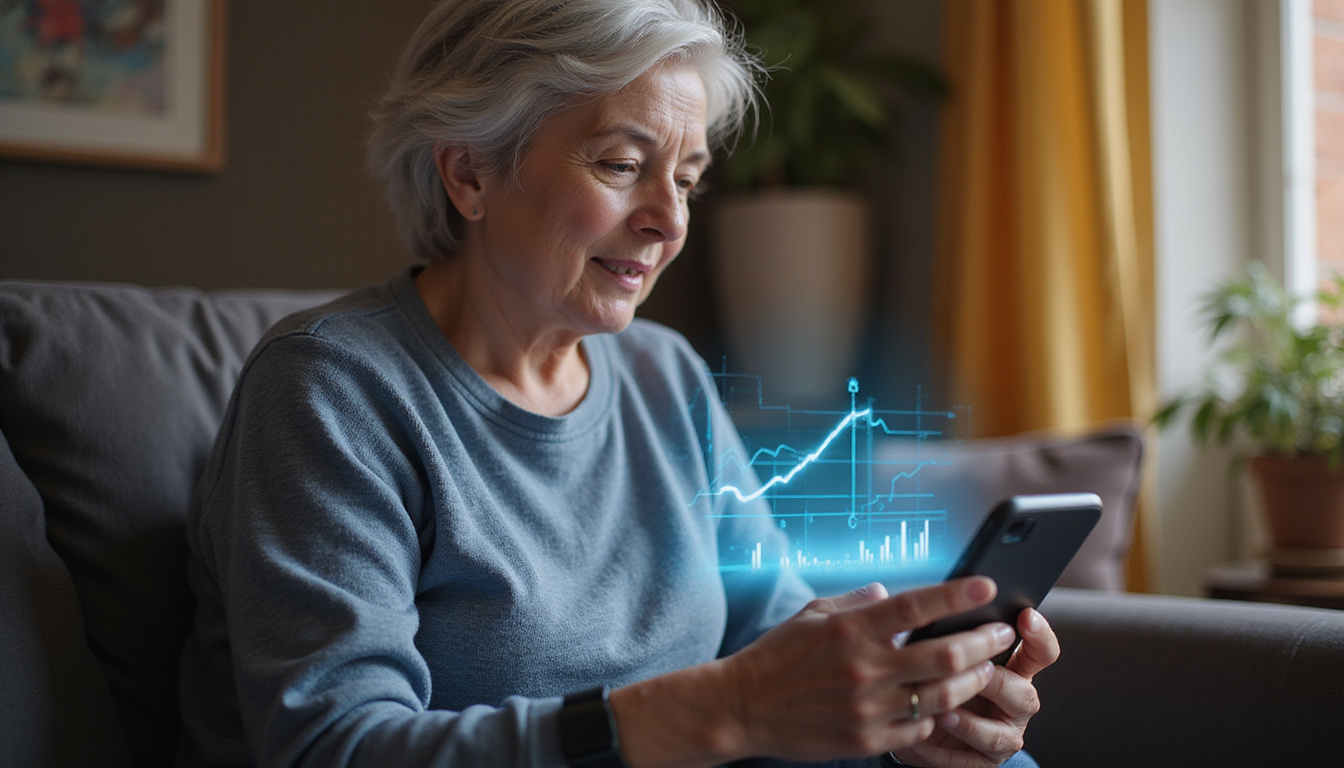
Mobile health is transforming how people live with chronic conditions like diabetes, heart disease, asthma, and hypertension. Instead of relying only on periodic clinic visits, patients can now track symptoms, medications, and lifestyle data in real time, sharing that information with their healthcare teams through mobile health apps. This shift doesn’t just add convenience—it can improve outcomes, reduce hospitalizations, and give patients a sense of control over their health.
Below, we’ll explore how mobile health apps are revolutionizing chronic disease management, what features matter most, and how patients and providers can use them safely and effectively.
What Is Mobile Health and Why Does It Matter?
Mobile health (often shortened to mHealth) refers to medical and public health practice supported by smartphones, tablets, wearables, and wireless devices. In the context of chronic disease, it means:
- Apps that track health data (e.g., blood glucose, blood pressure, weight)
- Remote patient monitoring devices that send data to clinicians
- Digital tools that deliver education, coaching, or behavior-change support
- Secure messaging and telehealth platforms that connect patients and providers
For people with chronic conditions, healthcare is not a series of isolated clinic visits—it’s a continuous experience. Mobile health bridges the gap between appointments, creating a feedback loop where patients can monitor, adjust, and communicate in near real time.
Research shows that well-designed mobile interventions can improve medication adherence, promote lifestyle change, and support better disease control (source: World Health Organization).
How Mobile Health Apps Transform Chronic Disease Management
1. Continuous Monitoring Instead of Snapshot Visits
Traditional care offers “snapshots” of your health: a blood pressure reading once every few months, an A1C test twice a year, a quick discussion about symptoms. Mobile health apps add a continuous stream of data between those snapshots.
Examples:
- Diabetes: Apps integrated with continuous glucose monitors (CGMs) allow patients and providers to see blood sugar trends all day, not just fasting readings in a clinic.
- Hypertension: Bluetooth-enabled blood pressure cuffs sync readings to a mobile app, helping clinicians adjust treatment based on real-world values.
- Heart failure: Weight and symptom tracking can alert clinicians early to fluid buildup, preventing hospital admissions.
This ongoing monitoring allows for earlier interventions and more personalized adjustments to treatment plans.
2. Empowering Patients with Data and Insight
One of the most powerful aspects of mobile health is how it helps patients understand and act on their own data. Instead of passively receiving instructions, people become active participants in their care.
Key benefits:
- Immediate feedback: Seeing how a meal affects blood sugar, or how a walk impacts blood pressure, helps patients make better day-to-day decisions.
- Pattern recognition: Charts and trends show triggers for flares (e.g., asthma attacks after certain activities or exposures).
- Goal setting and tracking: Apps can set personalized targets for steps, glucose ranges, sleep, or medication adherence, then track progress over time.
When patients see clear links between behaviors and outcomes, adherence to treatment plans often improves.
3. Improving Medication Adherence and Self-Management
Chronic conditions frequently require multiple medications at different times of day, sometimes with complex instructions. Missed doses can quickly lead to poor control.
Mobile health apps can support:
- Medication reminders with customizable alerts
- Refill reminders to prevent gaps in therapy
- Drug interaction checks and information on side effects
- Self-management plans embedded into the app, such as asthma action plans or heart failure self-care checklists
By making it easier to remember and manage medications, these tools can reduce complications and emergency visits.
4. Enhancing Communication Between Patients and Healthcare Teams
Mobile health doesn’t replace clinicians—it strengthens the relationship between patients and their care teams.
Common communication features:
- Secure messaging: Patients can send questions or log updates, and clinicians can respond without a formal visit.
- Data sharing: Providers can review blood pressure or glucose logs before appointments or even during virtual check-ins.
- Alerts and thresholds: Some systems flag dangerous readings (e.g., very high blood pressure) and notify the care team automatically.
This can be especially valuable for people in rural areas, those with mobility challenges, or patients dealing with multiple chronic conditions who would otherwise need frequent in-person visits.
5. Supporting Lifestyle Changes for Long-Term Health
Chronic disease management isn’t just about medications; it’s about diet, activity, sleep, stress, and habits built over time. Mobile health apps are well-suited to support behavior change because they are embedded in daily life.
Lifestyle features often include:
- Activity tracking and step counts
- Food logging and nutrition coaching
- Sleep tracking
- Stress management tools, such as guided breathing or mindfulness exercises
- Personalized health education tailored to the user’s condition
For example, a person with heart disease might use a mobile health app to track sodium intake, daily walks, and weight, all while receiving condition-specific tips and videos.
Essential Features to Look for in a Mobile Health App for Chronic Conditions
With thousands of apps available, choosing the right ones can be overwhelming. For chronic disease management, look for:
-
Clinical credibility
- Developed in collaboration with healthcare professionals or reputable health organizations
- Backed by clinical studies or pilot programs when possible
-
Data accuracy and device integration
- Ability to connect with validated devices (e.g., FDA-cleared blood pressure cuffs or glucose monitors)
- Reliable measurement and logging of data
-
User-friendly design
- Simple navigation, clear graphs, and readable text
- Accessibility options (large fonts, voice support, color contrast)
-
Security and privacy
- Transparent privacy policy
- Strong data encryption and secure login
- Clear statement on data sharing and third-party use
-
Customization and personalization
- Ability to set personal goals, reminders, and thresholds
- Tailored education content based on condition and treatment plan
-
Integration with your care team
- Options to share reports with your doctor or clinic
- Compatibility with your provider’s electronic health record system, if available
Real-World Impact: Examples Across Common Chronic Conditions
Diabetes
Mobile health apps integrated with glucometers or CGMs can:
- Track glucose automatically
- Log insulin doses and carbohydrate intake
- Provide alerts for high or low readings
- Offer pattern analysis to reduce hypoglycemia and hyperglycemia
For many people with diabetes, this can mean fewer severe events, better average glucose control, and more confidence in day-to-day management.
Hypertension and Cardiovascular Disease
Blood pressure apps paired with home monitors help:
- Confirm whether office readings reflect real-life blood pressure
- Guide medication adjustments more safely
- Track lifestyle changes like exercise and salt reduction
They can also support heart disease management with symptom logging, medication tracking, and rehab exercise guidance.
Respiratory Conditions (Asthma, COPD)
Mobile health tools in respiratory care may include:
- Symptom diaries and peak flow tracking
- Environmental alerts (e.g., air quality, pollen counts)
- Digital asthma or COPD action plans
- Medication reminder systems for inhalers
These help patients detect early warning signs of exacerbations and act before symptoms become severe.

Mental Health and Comorbid Conditions
Many people with chronic physical conditions also experience anxiety or depression. Mobile health can support:
- Mood tracking and journaling
- Cognitive-behavioral therapy (CBT) exercises
- Mindfulness and relaxation tools
- Integration with chronic disease apps for a whole-person view
Addressing mental health alongside physical conditions often leads to better overall outcomes.
How Clinicians Can Integrate Mobile Health into Practice
For healthcare providers, mobile health offers powerful tools, but successful integration requires a plan.
Steps to consider:
- Identify target populations: Start with patients who are most likely to benefit, such as those with poorly controlled conditions or frequent hospitalizations.
- Standardize recommended apps: Create a short list of vetted apps and devices that align with clinical guidelines.
- Set clear expectations: Define what data patients should track, how often, and how the care team will respond to that data.
- Incorporate data into workflows: Assign staff roles for monitoring alerts, reviewing reports before visits, and documenting decisions.
- Educate patients and caregivers: Offer brief training on how to use apps and devices effectively, including troubleshooting basics.
Done well, this can lead to more productive visits, targeted interventions, and stronger patient engagement.
Challenges and Limitations of Mobile Health for Chronic Disease
Despite the promise, mobile health is not a cure-all. Key challenges include:
- Digital divide: Not everyone has a smartphone, reliable internet, or comfort with technology, potentially widening health disparities.
- Data overload: Clinicians may be overwhelmed with raw data unless systems are designed to highlight what matters most.
- Variable quality: Many apps are not clinically validated or regularly updated, which can mislead users.
- Privacy concerns: Some apps may share data with third parties, including advertisers, without users fully understanding the implications.
- Behavioral fatigue: Continuous tracking can feel burdensome; many people stop using apps after a few weeks.
Recognizing these limitations helps patients and providers set realistic expectations and choose sustainable strategies.
Getting Started: Practical Steps for Patients
If you’re living with a chronic condition and want to use mobile health to support your care, consider the following:
-
Talk to your healthcare provider first
- Ask if they recommend specific apps or devices.
- Discuss how you’ll share data and how it will be used.
-
Start simple
- Choose one or two core features (e.g., blood pressure tracking and medication reminders) before adding more complexity.
-
Check privacy and permissions
- Read the app’s privacy policy.
- Limit permissions to what’s necessary for function.
-
Build habits gradually
- Set small, realistic goals—such as logging data once a day at the same time.
- Use prompts or pairing with existing routines (after brushing teeth, before dinner).
-
Review data regularly
- Look at weekly or monthly trends rather than obsessing over single readings.
- Bring summary reports to appointments to guide conversations.
FAQ: Common Questions About Mobile Health and Chronic Conditions
1. How can mobile health apps help manage chronic diseases more effectively?
Mobile health apps support chronic disease management by enabling regular tracking of symptoms, vital signs, and medications; providing reminders and education; and connecting patients with their care teams between visits. This ongoing support helps identify problems earlier, improves adherence, and allows more personalized care adjustments.
2. Are mobile health applications reliable for monitoring conditions like diabetes or hypertension?
Many mobile health applications are reliable when paired with clinically validated devices, such as FDA-cleared blood pressure cuffs or glucose monitors. Reliability depends on both the hardware and software, so patients should choose trusted brands, review app ratings and clinical backing, and consult their healthcare providers when selecting tools.
3. What should I consider before using a mobile health platform for my chronic illness?
Before using a mobile health platform, consider clinical credibility, data security, ease of use, and how well it integrates with your current care. Discuss options with your clinician, review the privacy policy, and start with a simple, focused approach—such as one app and one device—so you can build a sustainable routine.
Mobile health is reshaping what it means to live with a chronic condition, turning smartphones and connected devices into powerful allies for daily self-care. With thoughtful use, these tools can strengthen partnerships between patients and providers, support healthier choices, and catch warning signs before they become crises.
If you’re managing a chronic condition—or caring for someone who is—now is the time to explore mobile health options. Talk to your healthcare team about recommended apps and devices, choose a solution that fits your lifestyle, and take the first step toward more informed, proactive, and confident control over your health.


0 Comments